
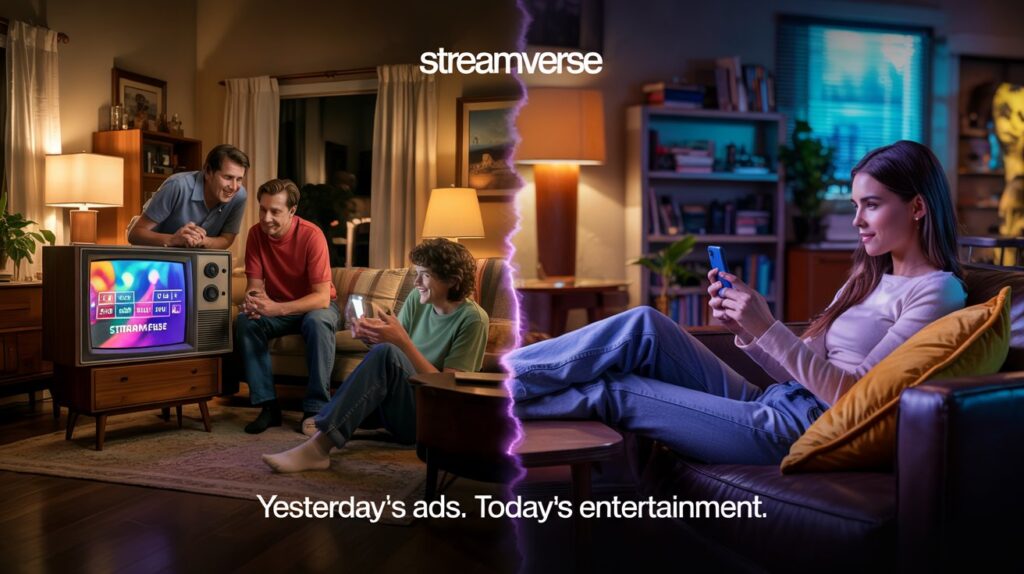
TV Commercials vs Digital Ads: What Works Best in 2025?
In today’s rapidly changing digital landscape, advertisers are continuously seeking the most effective ways to engage their audiences. One of the age-old debates in the advertising world is the comparison between traditional TV commercials and the rise of digital ads. With the world evolving at lightning speed, what works best in 2025?
This article takes a deep dive into the strengths, weaknesses, and future potential of both advertising mediums. By the end, you’ll have a clear understanding of which platform might be the most suitable for your marketing strategies in the near future.
The Battle of Formats: TV Commercials vs Digital Ads
When it comes to advertising, both TV commercials vs digital ads have distinct advantages. However, they also cater to different audience segments and consumer behaviors. Before we explore which platform is better suited for the future, let’s understand the fundamental differences between them.
TV Commercials: These are broadcasted to a wide audience via traditional television networks. Advertisers target mass markets and often use emotionally-driven content to convey their message.
Digital Ads: These include social media ads, search engine marketing, display ads, video ads, and more. Digital ads are highly targeted, flexible, and are usually consumed by individuals on devices like smartphones, tablets, and computers.

TV Commercials: The Traditional Powerhouse
In the world of traditional media, TV has always held a dominant position. Despite the rise of streaming services and cord-cutting trends, television commercials remain a staple of major advertising strategies, especially for large brands seeking mass-market exposure.
Key Strengths of TV Commercials
Wide Reach and Mass Appeal: TV commercials have the ability to reach millions of viewers, making them ideal for advertisers aiming for a broad audience.
Credibility: Television still carries an air of authority, and ads on TV often feel more credible and professional, especially for big-ticket items or national campaigns.
Emotional Impact: TV ads often tap into emotions through powerful visuals, music, and storytelling. This creates a memorable impact that can influence brand perception.
Prime Time Advantage: Shows and events with high viewership, like sports or prime-time programming, offer advertisers a chance to connect with millions of viewers in real-time.
Challenges of TV Commercials
Cost: TV advertising is expensive. Not only do you need to pay for airtime, but there’s also the cost of production. For many small businesses, TV commercials can be prohibitively expensive.
Limited Targeting: Unlike digital ads, TV ads are relatively untargeted. While you can choose time slots and specific channels, you don’t have the same granular control over who exactly is seeing your ad.
Ad Skipping and Cord Cutting: With the rise of streaming services like Netflix, Hulu, and Amazon Prime, fewer people are watching traditional TV, which limits the effectiveness of TV ads. Also, many viewers use DVR to skip ads.

Digital Ads: The New Wave of Advertising
Digital advertising has witnessed a meteoric rise in the past decade. With the proliferation of the internet and smartphones, digital ads are now a dominant force in the marketing world. But how do they stack up against TV commercials?
Key Strengths of Digital Ads
Precise Targeting: One of the biggest advantages of digital ads is the ability to target specific audiences based on age, gender, interests, location, browsing habits, and more. This allows for highly personalized advertising, which increases the likelihood of conversions.
Cost-Effectiveness: Digital ads often cost less than traditional TV ads, especially when considering platforms like Google Ads or Facebook Ads. This makes it more accessible for small businesses with limited budgets.
Measurable Results: Unlike TV ads, digital campaigns provide detailed analytics that allow advertisers to track performance in real-time. Metrics like clicks, conversions, and ROI can be directly tied to ad performance, making it easier to optimize campaigns.
Flexibility and Adaptability: Digital ads can be updated in real-time, allowing for quick adjustments to messaging, creative, or targeting. This flexibility is something TV ads can’t match.
Challenges of Digital Ads
Ad Fatigue: With the saturation of digital ads across websites and social media platforms, many users experience ad fatigue. As a result, digital ads can sometimes be ignored or blocked by users.
Competition for Attention: On platforms like Facebook, Instagram, or Google, users are constantly bombarded with ads, and standing out amidst all the noise can be challenging.
Privacy Concerns: As more people become aware of how their data is being used, concerns about privacy and ad tracking are becoming more prominent. Privacy regulations like GDPR and CCPA have placed limitations on digital ad targeting, which could affect future strategies.

Which is More Effective in 2025?
As we look ahead to 2025, the effectiveness of TV commercials vs digital ads will largely depend on the goals, audience, and type of business you are advertising. Let’s break it down:
For Brand Awareness
TV commercials are still unmatched when it comes to mass-market exposure. For large brands looking to establish or reinforce their presence, TV remains a valuable tool. If you’re looking to create a large, emotional impact on a national scale, TV could be your best bet.
However, digital ads also play a major role in brand awareness, especially with the ability to target specific user demographics across various online platforms. The global reach and social sharing capabilities of platforms like Instagram or YouTube also make digital ads a viable option for boosting awareness.
For Conversions
Digital ads generally excel when it comes to driving direct conversions. Thanks to precise targeting, digital ads can be tailored to reach users who are more likely to take action. The ability to track and measure success in real-time gives digital ads a significant advantage in optimizing campaigns for higher ROI.
TV commercials, on the other hand, may not directly drive conversions the same way. While they can generate interest and recognition, they are more about long-term brand-building than immediate sales.
For Local vs. National Campaigns
TV ads are more effective for national campaigns that need to reach a large and diverse audience. If you’re looking to advertise products or services on a wide scale, TV is a tried and true method.
For local businesses, digital ads shine because of their ability to target specific geographic locations. Platforms like Google My Business and Facebook Ads allow local businesses to zero in on customers in their immediate vicinity.

The Future of Advertising: Integration of Both
In 2025 and beyond, the lines between TV commercials vs digital ads will continue to blur. The future of advertising is likely to be a hybrid model, combining the mass-market appeal of TV with the precision of digital ads.
For example, CTV (Connected TV) and OTT (Over-the-Top) platforms are already changing the landscape. These platforms combine the wide reach of traditional TV with the targeting capabilities of digital ads. Consumers watch TV content on their internet-enabled devices, and advertisers can leverage data to target viewers based on their preferences.
Key Trends to Watch in 2025
Increased Use of AI in Digital Ads: Artificial intelligence will continue to shape digital advertising by making targeting even more precise and allowing brands to create personalized ad experiences.
Hybrid Advertising Models: As mentioned earlier, the integration of TV and digital ads will become more common, with brands seeking to capitalize on the best of both worlds.
Augmented Reality (AR) and Virtual Reality (VR): These immersive technologies will provide advertisers with innovative ways to engage consumers, merging the physical and digital worlds for even more interactive experiences.
Conclusion
When considering TV commercials vs digital ads in 2025, there is no one-size-fits-all answer. Both have their unique advantages and challenges, and the best choice for your business will depend on factors such as budget, target audience, campaign goals, and the type of product or service you’re promoting.
For large-scale, brand-building efforts, TV still holds significant power, but for more targeted, measurable campaigns, digital ads are hard to beat. The future of advertising is likely to see these two formats working together, using the strengths of each to maximize effectiveness.
As we move forward, marketers will need to continually adapt to the changing landscape, leveraging the power of both TV commercials vs digital ads to stay ahead of the competition. The key to success lies in understanding the nuances of each platform and integrating them to create a holistic advertising strategy that resonates with today’s modern consumer.